

As heatwaves intensify, cooling is no longer a luxury – it is a necessity. But conventional air conditioning comes with a cost: heavy electricity demand, increased emissions, and hot air expelled back into the urban environment.
Dr. Ofer Berman from the Faculty of Architecture and Town Planning at the Technion, together with researchers from Cornell Tech, presents a different approach: passive air cooling without electricity and without pollution.
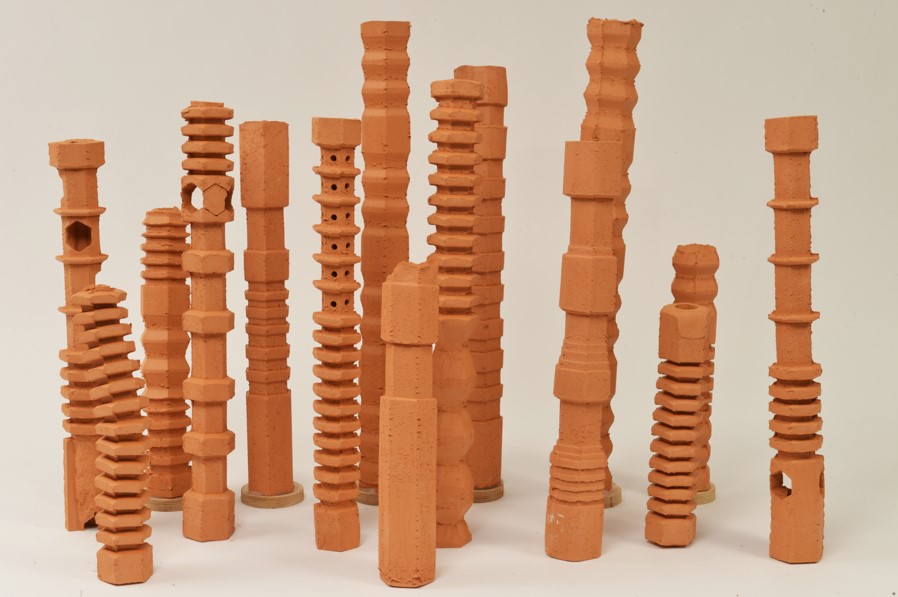
Their innovation, CeraPiper, is a rapid and low-cost manufacturing method for porous ceramic pipes that cool the surrounding air through water evaporation. The process combines computational design software with smart extrusion, enabling high control over wall thickness, porosity, and geometry – achieving both production speed and formal flexibility.
The work was recently presented at SCF ’25, the manufacturing conference of Association for Computing Machinery.
In a climate reality defined by rising temperatures and strained energy grids, solutions that merge material science, design, and sustainability are not optional – they are essential.
What role should passive systems play in the future of urban cooling?